
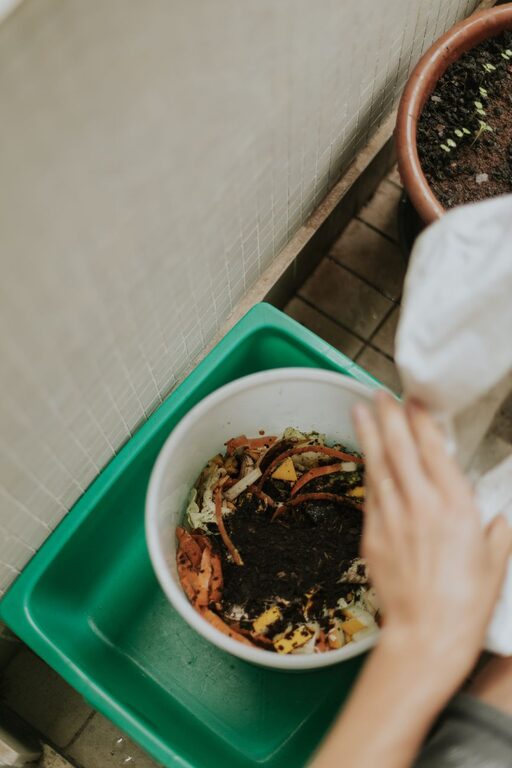
Composting at home is a rewarding way to reduce waste and create nutrient-rich soil for your garden. Whether you have a large backyard or just a small balcony, composting can be adapted to fit your space and lifestyle. If you’re new to composting, this guide will walk you through the basics and offer practical tips to get started successfully.
What Is Composting?
Composting is the natural process of recycling organic materials like food scraps and yard waste into a rich soil amendment. This “black gold” helps improve soil structure, retain moisture, and provide essential nutrients to plants. Instead of sending kitchen scraps to the landfill, composting turns them into something useful for your garden.
Why Compost at Home?
– Reduces landfill waste: Composting cuts down on the amount of organic waste sent to landfills, where it produces methane, a potent greenhouse gas.
– Enriches soil naturally: Compost improves soil health without the need for chemical fertilizers.
– Saves money: Using homemade compost means less need to buy commercial soil amendments.
– Supports plant growth: Healthy soil leads to healthier, more productive plants.
Getting Started: Choosing a Compost Bin
There are many compost bin options depending on your space and needs:
– Outdoor compost bins: These come in various sizes and materials like plastic, wood, or metal. They’re ideal for backyard composting.
– Compost tumblers: These are enclosed bins you can rotate to mix compost easily. Great for faster decomposition.
– Indoor compost bins: For small spaces or apartments, consider a compact countertop bin or a worm composting system (vermicomposting).
Choose a bin that fits your space and lifestyle. Make sure it has good airflow and drainage.
What Can You Compost?
Browns (Carbon-rich materials)
These provide energy for microbes and help balance moisture:
– Dry leaves
– Straw or hay
– Cardboard and paper (shredded)
– Wood chips or sawdust (untreated)
– Pine needles
Greens (Nitrogen-rich materials)
These provide protein and nitrogen needed for decomposition:
– Fruit and vegetable scraps
– Coffee grounds and tea bags
– Fresh grass clippings
– Plant trimmings
– Eggshells (crushed)
Avoid these materials
– Meat, dairy, and oily foods (attract pests)
– Pet waste
– Diseased plants
– Non-biodegradable items
Tips for Successful Composting
1. Balance Browns and Greens
Aim for a roughly 3:1 ratio of browns to greens. Too many greens can create a smelly pile, while too many browns slow down decomposition.
2. Chop or Shred Materials
Smaller pieces break down faster. Cut large scraps into bite-sized pieces before adding to your compost.
3. Keep It Moist
Your compost should be about as damp as a wrung-out sponge. Water it occasionally if it gets too dry, especially in hot weather.
4. Turn Your Pile Regularly
Aerate your compost by turning it with a pitchfork or compost aerator every 1–2 weeks. This speeds up decomposition and prevents odors.
5. Be Patient
Composting can take anywhere from a few weeks to several months. Finished compost will be dark, crumbly, and smell earthy.
Common Composting Methods for Beginners
Backyard Pile or Bin
– Ideal if you have outdoor space.
– Simply layer your browns and greens in the bin.
– Turn regularly for faster results.
Vermicomposting (Worm Composting)
– Uses red wiggler worms to break down food scraps indoors.
– Great for apartment dwellers.
– Produces nutrient-rich worm castings.
– Requires a worm bin and some care for the worms.
Bokashi Composting
– Ferments food scraps using beneficial microbes.
– Can handle meat and dairy.
– Needs a sealed bucket and some follow-up composting.
Using Your Finished Compost
You can use your homemade compost in many ways:
– Mix into garden beds to improve soil quality.
– Add to potted plants for extra nutrients.
– Use as mulch around trees and shrubs.
– Topdress lawns for healthier grass.
Troubleshooting Common Issues
| Issue | Cause | Solution |
|———————|———————————|———————————|
| Smelly compost | Too much green material or wet | Add browns and turn pile |
| Slow decomposition | Lack of nitrogen or moisture | Add greens and water |
| Pests in bin | Food scraps like meat or dairy | Avoid problem foods, cover food |
| Compost too dry | Not enough moisture | Water pile |
Final Thoughts
Starting to compost at home might seem intimidating, but it’s easier than you think. With a bit of planning and regular care, you can turn everyday kitchen scraps and yard waste into a valuable resource for your garden. Plus, you’ll be doing your part to reduce waste and promote a greener lifestyle. Happy composting!