
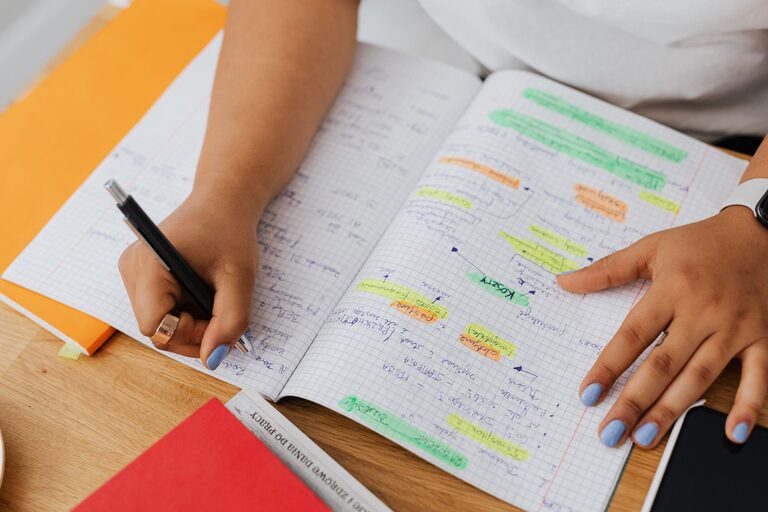
Choosing the right notebook might seem simple, but picking one you’ll actually use regularly takes a bit of thought. Whether you want to jot down ideas, keep a journal, or stay organized with to-do lists, the perfect notebook can make a big difference. Here’s a practical guide to help you find a notebook that fits your lifestyle and motivates you to write.
Why Choosing the Right Notebook Matters
A notebook is more than just paper bound together. It’s a tool that can boost your creativity, keep your tasks on track, and serve as a personal space for reflection. When a notebook matches your preferences and needs, you’re more likely to carry it around and use it consistently.
Consider Your Purpose
Before shopping, think about how you plan to use the notebook. Your needs will affect the size, layout, and features you want.
Common Notebook Uses
– Journaling: Personal reflections and thoughts
– Work notes: Meeting minutes, brainstorming
– Planning: Lists, calendars, goal tracking
– Creative writing or sketching
– Study notes
Knowing your main purpose helps narrow down what kind of notebook fits best.
Size Matters: Finding the Right Fit
Notebooks come in many sizes, each suited to different uses.
– Pocket-sized (A6 or smaller): Easy to carry everywhere, good for quick notes or sketches on the go.
– Medium (A5): A popular size for journaling and daily planning, portable yet spacious.
– Large (A4 and above): Best for detailed notes, diagrams, or longer writings, but less portable.
Ask yourself: Will you carry it in a bag or keep it on your desk? If you plan to use it daily outside your home, a smaller size might be best.
Choose the Paper Type and Quality
Paper affects your writing experience more than you might think.
– Thickness (measured in GSM): Thicker paper (around 90-120 GSM) prevents ink from bleeding through.
– Texture: Smooth paper works well with pens; more textured paper may be better for pencils or markers.
– Color: White or cream paper can affect the look of your writing and sketches.
If you prefer fountain pens or markers, check that the paper can handle those without smudging.
Decide on the Binding Style
Binding influences how your notebook opens and how easy it is to write near the edges.
– Spiral-bound: Lays flat and folds back, great for note-taking.
– Sewn or stitched: Durable, often lies flat but less flexible than spiral.
– Glue-bound (perfect binding): Sleek appearance but may not lay flat.
If you like writing with both hands or taking notes on the go, spiral-bound might be your best bet.
Layout and Page Format
The page layout can support different writing styles.
– Lined: Ideal for writing and journaling.
– Grid or graph: Great for technical notes, bullet journaling, or drawing charts.
– Dotted: A flexible choice that combines structure with freedom, popular for planners and creatives.
– Blank: Perfect for sketching and freeform writing.
Think about how much structure you want—some people prefer the clean organization lines provide, while others like the creative freedom of blank pages.
Cover Material and Durability
You want a notebook that can withstand your daily routine.
– Hardcover: Offers durability and protection, often looks professional.
– Softcover: Lightweight and flexible, easier to carry but less protective.
– Water-resistant covers: Good for outdoor or travel use.
Consider where you’ll use the notebook most and how rugged it needs to be.
Extras That Can Make a Difference
Some notebooks include features that improve usability.
– Bookmark ribbons: Help you find your place quickly.
– Elastic closures: Keep your notebook securely closed in a bag.
– Pockets: Useful for storing notes, receipts, or stickers.
– Numbered pages: Helpful for indexing.
– Pre-printed sections: Such as calendars or habit trackers.
Think about what features might fit your workflow and make your notebook more enjoyable to use.
Test It Out Before You Commit
If possible, try writing on sample pages or buy a budget notebook to experiment. Sometimes a notebook looks perfect but doesn’t feel comfortable once you start writing.
Personalize Your Choice
Finally, consider what design inspires you. A notebook that matches your taste—whether it’s a favorite color, pattern, or even a custom cover—can motivate you to use it more often. Your notebook should feel like a tool that belongs to you, encouraging your creativity and productivity.
Summary Checklist for Choosing Your Notebook
– Define your main use (journaling, planning, sketching).
– Choose a comfortable size for your lifestyle.
– Pick the right paper quality for your writing tools.
– Select a binding that suits your writing habits.
– Decide on a page layout that complements your style.
– Consider cover durability based on your needs.
– Look for extra features that add convenience.
– Test writing in the notebook if possible.
– Pick a design that you enjoy.
With these tips, you’re ready to find a notebook that won’t just look good on your shelf, but one you’ll actually carry and use every day. Happy writing!