
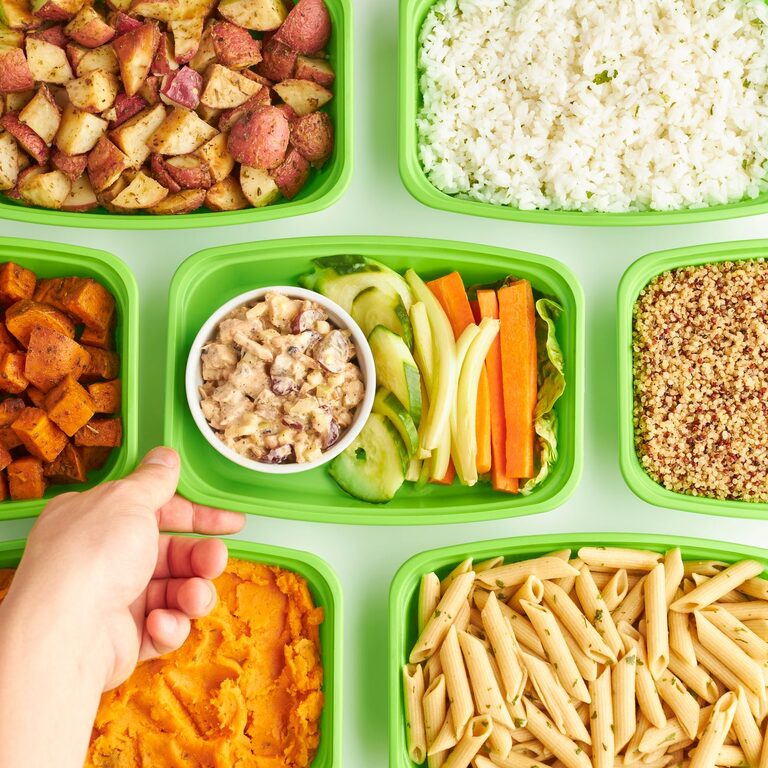
Planning meals ahead can transform your week by saving time, reducing stress, and helping you eat healthier. If you’re new to meal planning or want to simplify your routine, this guide will walk you through creating a simple weekly meal plan that fits your lifestyle. Let’s explore how you can get started and make mealtime enjoyable again.
Why Create a Weekly Meal Plan?
A weekly meal plan helps you:
– Save time: Knowing what to cook eliminates last-minute decisions.
– Reduce food waste: Shopping with a list prevents buying unnecessary items.
– Eat healthier: Planning balanced meals ensures you include various food groups.
– Save money: Avoiding takeout and impulse buys cuts down on food costs.
Step 1: Assess Your Week Ahead
Start by considering your schedule:
– How many dinners will you cook at home?
– Do you have busy nights when a quick meal is needed?
– Will you need leftovers for lunches or snacks?
– Are there social events or dining out planned?
With this information, you can decide how many meals to plan and the level of complexity for each.
Step 2: Gather Inspiration and Choose Recipes
Creating a guide of go-to recipes makes planning easier. You can:
– Use family favorites that are quick and simple.
– Look for recipes that use similar ingredients to minimize shopping.
– Include a mix of proteins, vegetables, and grains.
– Search online blogs or apps for easy meal ideas.
Aim for a balance between new dishes and familiar ones to keep things interesting without overwhelming yourself.
Step 3: Create Your Template
Use a notebook, spreadsheet, or printable meal planner to organize your week. A basic template can include:
– Days of the week across the top.
– Meal types (breakfast, lunch, dinner) down the side.
– Space to write your selected meals.
For simplicity, many focus on planning dinners first since breakfast and lunch tend to be easier or more flexible.
Step 4: Plan Your Meals
Using your schedule and recipe list, fill in your meal plan:
– Start with dinners for each day.
– Consider repeat meals or leftovers on less busy days.
– Add snack ideas or sides if helpful.
Try to include a variety of colors and textures to keep meals visually appealing and nutritionally balanced.
Step 5: Make Your Shopping List
Once your meals are planned, write down all necessary ingredients:
– Check your pantry and fridge first to avoid duplicates.
– Categorize items by section (produce, dairy, pantry, etc.) for easier shopping.
– Include quantities to help you buy just enough.
Having a detailed list makes grocery trips faster and more focused.
Step 6: Prep Ahead When Possible
Meal prep saves time during the week. Consider:
– Washing and chopping vegetables in advance.
– Cooking grains like rice or quinoa ahead of time.
– Portioning snacks or making sauces to store in the fridge.
Even small prep tasks can ease evening cooking.
Bonus Tips for Successful Meal Planning
– Stay flexible: If plans change, swap meals or improvise with what you have.
– Double recipes: Cook larger portions to enjoy leftovers or freeze for later.
– Use kitchen tools: Slow cookers or sheet pans can simplify cooking.
– Involve family: Ask for input to keep everyone happy and engaged.
– Review and adjust: After a week, see what worked and tweak your approach.
Final Thoughts
Creating a simple weekly meal plan doesn’t have to be complicated. With a little preparation, you can enjoy stress-free cooking, healthier meals, and more free time. Start small, keep it realistic, and watch your meal routine improve gradually. Happy planning!